
From Africa to the Catwalk: How African Traditional Attire is Shaping High Fashion

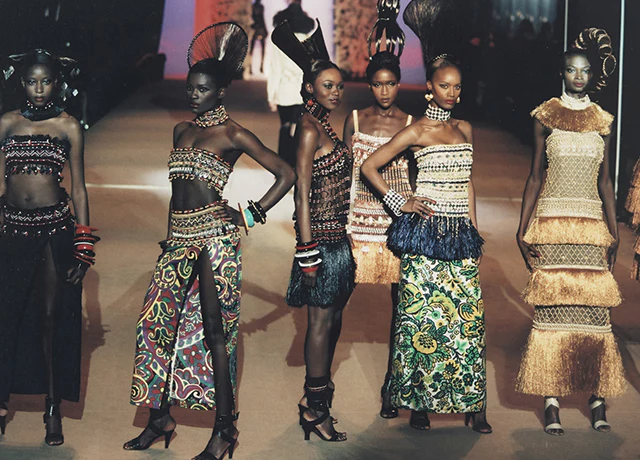
The vibrant colors, intricate patterns, and rich histories of African traditional attire have captivated designers and fashion houses globally. As the fashion world evolves, traditional African wear is making a significant impact, telling stories of cultural heritage while appealing to modern aesthetics. This phenomenon isn't just an artistic trend; it reflects a deeper narrative connecting identity, sustainability, and innovative design.
African traditional garments are not only visually captivating but are also steeped in meaning. From the striking kente cloth of Ghana to the elegant ankara prints of Nigeria, each design carries a story. Global fashion is increasingly influenced by these unique pieces, blending tradition with contemporary styles that resonate across cultures.
The Rich Heritage of African Traditional Attire
African traditional attire is rich with history and often represents tribal identities and cultural expressions. Each region showcases distinct garments that reflect the craftsmanship and significance of its people. For instance, the Maasai shuka—a colorful blanket—serves as more than just clothing; it symbolizes the Maasai community's enduring traditions in East Africa. The vibrant red and black hues of the shuka are instantly recognizable.

These garments are more than fashion statements; they encapsulate stories of heritage, pride, and artistry. Designers worldwide are tapping into this rich heritage, creating collections that respect the past while appealing to modern tastes. The emergence of African designers like Ozwald Boateng and Duro Olowu on global runways highlights this transformation, turning traditional attire into bold expressions of cultural pride.
The Intersection of Tradition and Modernity
Today’s fashion landscape is embracing an exciting trend of blending traditional African textiles with contemporary styles. Designers are reimagining beloved classic pieces into fresh looks that appeal to today’s consumers while honoring their origins.
For example, vibrant batik prints are being incorporated into chic dresses, and West African styles are melded with Western tailoring. This fusion encourages a dialogue between cultures, making traditional attire appealing to a broader audience.

Such collaborations enrich the fashion landscape and invite consumers to appreciate the beauty of African culture. For instance, in a 2022 survey, 60% of fashion consumers expressed interest in purchasing clothing that highlights cultural heritage, showcasing the demand for this unique blend. This conversation between past and present is redefining fashion as a living art form, ever-evolving yet deeply rooted in its origins.
The Role of High Fashion

High fashion plays a significant role in shaping perceptions and elevating traditional attire on a global scale. Renowned labels like Gucci and Versace have incorporated African motifs into their collections, introducing them to an elite market. However, this blending often sparks discussions about cultural appreciation versus appropriation.
While the visibility of these pieces can enhance the perception of African fashion, it raises critical questions about authenticity and ownership. Designers such as Laduma Ngxokolo from South Africa are advocating for cultural representation in their designs, ensuring that traditional attire's value and significance are acknowledged.
This spotlight on African designers has inspired many creatives to explore their cultural roots. The fashion community is witnessing a resurgence in appreciation for the diversity of African fashion, which encompasses a wide array of styles, materials, and histories.
Sustainable Fashion and African Textiles
Sustainability in fashion presents another area where traditional African attire excels. Many indigenous methods of creating textiles are deeply rooted in environmental stewardship. Techniques like using natural dyes and handcrafted production ensure a sustainable alternative to mass-produced fashion.
Artisan craftsmanship in African textiles supports local economies and helps preserve age-old techniques that might otherwise fade into obscurity. By integrating these sustainable practices into the wider fashion narrative, we can cultivate a greater understanding of both the aesthetic and ethical implications of our clothing choices.

Adopting these traditional methods in high fashion aligns with a global demand for environmentally conscious consumerism. It advocates for a future where fashion is not only stylish but also responsible.
Fashion Weeks and Global Recognition
International fashion weeks have begun to embrace African designers, showcasing their work on prominent stages. Events like Johannesburg Fashion Week and Lagos Fashion Week are pivotal for highlighting local talent while emphasizing the impact traditional attire has on modern fashion.
These venues not only provide exposure but also foster crucial connections between African designers, international buyers, and fashion influencers. The rise of these events highlights the growing interest in African aesthetics, solidifying the continent's role in the global fashion narrative.
As designers focus on the influence of traditional attire in their collections, consumers become more aware of the origin stories behind their clothing. This increase in interest encourages exploration and appreciation, moving beyond mere consumerism.
Celebrating Cultural Heritage Through Fashion
The journey of African traditional attire from local markets to the luxury runway is an inspiring story of cultural resilience and evolution. With traditional clothing influencing high fashion through vibrant textiles and craftsmanship, it is clear this trend will only grow stronger.
As fashion lovers, we can support this movement by honoring and celebrating the richness of African heritage interwoven in contemporary designs. By doing this, we contribute to a more diverse and culturally vibrant fashion landscape.
So, the next time you see African-inspired pieces on the catwalk, remember that it is more than a style trend; it's a celebration of rich histories, cultures, and sustainable innovation that invites us all to participate in this exciting new chapter of fashion.
Comments